Vad är koncentrisk träning

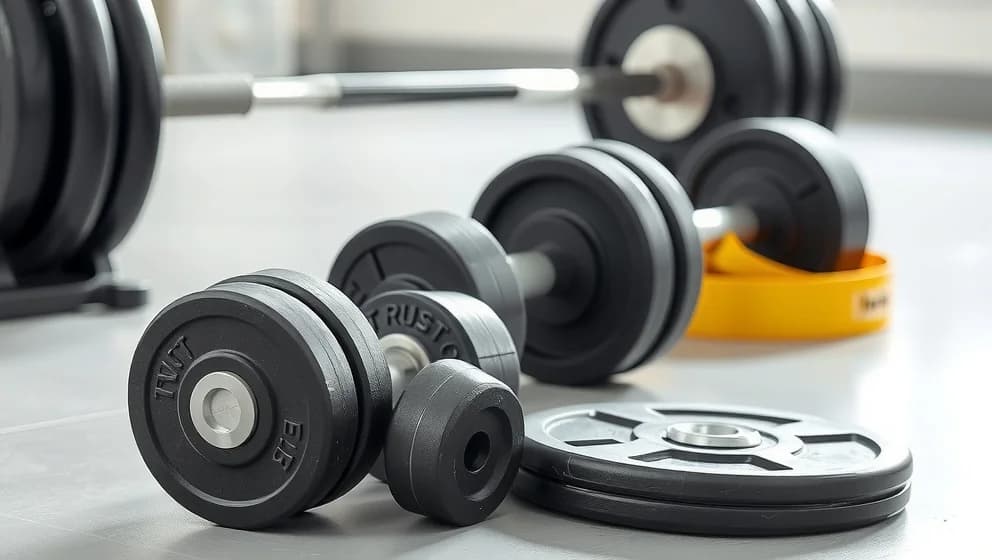
Imagine a Paralympic athlete gripping a barbell in the gym. They're about to perform a bench press. The weight moves upward in a powerful, controlled motion. That upward push? That's koncentrisk träning when your muscles shorten and pull together to create force. Vad är koncentrisk träning? It's the active phase where your muscles work hardest against resistance, lifting or pressing weight. Whether you're a beginner or an experienced athlete, understanding this training form helps you build strength and muscle more effectively.
Koncentrisk träning is the foundation of getting stronger. You need it whether you play football, do crossfit, or train in a wheelchair. This article breaks down how it works, why it matters, and how to do it right.
Hur fungerar koncentrisk träning i din kropp?
Every weight training movement has three phases. First comes the koncentrisk phase your muscle shortens while creating force. When you curl a dumbbell upward, that's koncentrisk. Your bicep muscle fibers pull together and squeeze.
Next is the excentrisk phase. Your muscle lengthens while still under tension. Lowering the dumbbell back down? That's excentrisk. Your muscle controls the weight as it extends.
Finally, the isometrisk phase happens when your muscle tenses without changing length. Holding the weight steady at the top that's isometrisk.
The koncentrisk phase feels the heaviest because your muscle fibers are working directly against the weight. They activate the most fibers during this moment. That's why the upward push in a bench press or the lift in a squat demands so much effort.
Para-athletes use koncentrisk training just like other athletes. A wheelchair user might perform seated shoulder presses. The pushing motion upward is still koncentrisk, building de same strength and power (seriously, it's identical mechanics).
Koncentrisk träning kontra excentrisk vad är skillnaden?
These two training types seem similar but work differently in your body. Let's compare them side by side.
Koncentrisk training is when you lift or push the weight upward. Your muscle shortens. This phase requires more energy from your body. It builds explosive power and strength.
Excentrisk training is when you lower the weight back down in a controlled way. Your muscle lengthens under load. This phase uses less energy but can create more muscle damage, which sometimes leads to greater muscle growth.
Research shows something interesting: excentrisk training might produce more muscle growth, but koncentrisk training is necessary for developing real strength during the lifting phase. You need both for the best results.
For the koncentrisk phase, aim for 1 3 seconds. Move with control, not speed. Rushing through weakens your muscles and risks injury. Slow, deliberate movements activate more muscle fibers and build strength faster than sloppy, fast reps.
Studies on rehabilitation found that slow, controlled koncentrisk training reduces pain in tendons better than some other methods. This matters for athletes recovering from injury. Controlled lifting helps healing happen properly.
The smartest approach combines all three phases. Lift with power (koncentrisk), lower with control (excentrisk), and hold briefly (isometrisk). This combination builds both strength and muscle size while protecting your joints.
Praktiska tips för att börja träna koncentrisk
Start light if you're new to strength training. Technique matters more than heavy weight. Focus on feeling the muscle work, not just moving the weight up.
Here are concrete steps:
- Pick a weight you can lift 10 times with good form
- Spend 2 3 seconds lifting the weight upward
- Pause briefly at the top
- Lower slowly over 2 3 seconds
- Repeat for 8 12 repetitions
Quality beats quantity every time. One perfect rep teaches your muscles more than five sloppy ones. As you get stronger, gradually add more weight. Never sacrifice form to lift heavier.
Train with all three phases. Don't just do koncentrisk work alone combine it with controlled lowering and brief pauses. Your whole body benefits from complete movement patterns.
Your muscles don't grow during training. They grow during rest. Train consistently but allow recovery days between hard sessions. Three to four strength sessions per week works for most people (I know, it sounds simple, but consistency beats perfection).
Koncentrisk training opens doors for every athlete. Start where you are. Learn the movements properly. Build gradually. Your strength will follow, and you'll notice changes within weeks increased power, better muscle definition, and improved performance in whatever sport or activity you love.
Champa! använder AI för att skapa innehåll. Kontakta redaktionen vid eventuella fel.